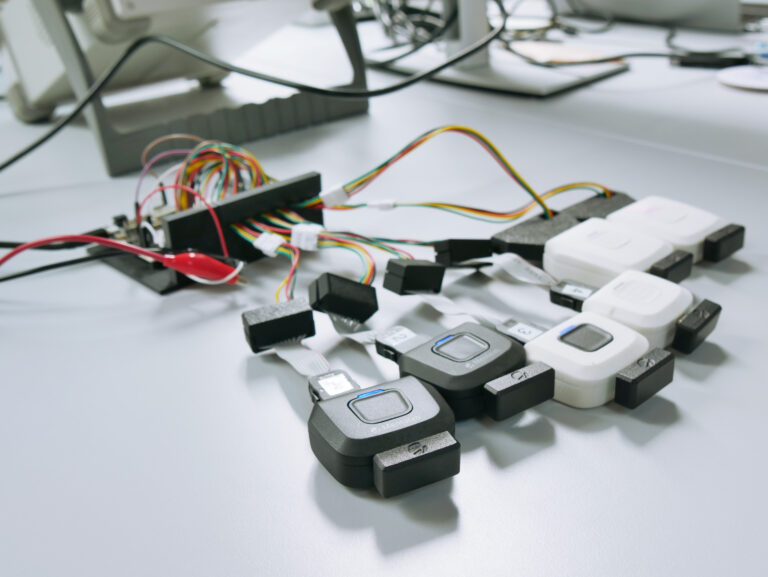
Inside Mentalab Hypersync: How We Test Our Hyperscanning Technology
From predicting frustration to adaptive interfaces, EEG is redefining UX research. Here’s why it matters now.

From predicting frustration to adaptive interfaces, EEG is redefining UX research. Here’s why it matters now.

From predicting frustration to adaptive interfaces, EEG is redefining UX research. Here’s why it matters now.

Explore how ExG biosignals (EEG, ECG, EMG) are transforming automotive R&D for enhanced safety, intuitive HMIs, and personalized driving. Discover how these physiological insights from drivers lead to adaptive vehicle systems and improved well-being.

Mentalab Hypersync enables high-precision wireless synchronization for hyperscanning, multimodal research, and wireless event marking
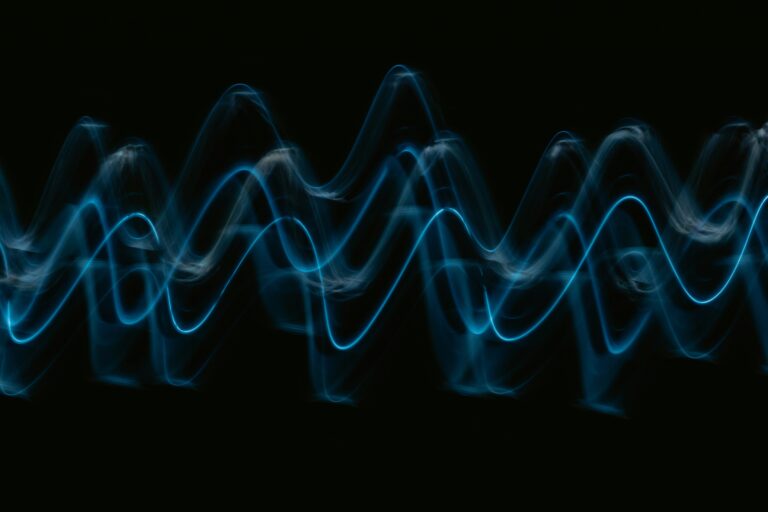
Unlock the mysteries of your mind by understanding neural oscillations, the rhythmic patterns of brain activity that influence everything from deep sleep to focused attention. Discover the different brainwave frequencies and how these fascinating electrical signals shape our consciousness and cognitive abilities.

Understanding volume conduction is essential for accurately interpreting EEG data, as electrical signals don't travel in a straight line from their brain source to the electrodes on your scalp. This phenomenon causes signals to spread and interact, potentially leading to misinterpretations of neural activity. Learn how to mitigate these complex effects and gain more precise insights into brain function.

From making financial decisions to pursuing advanced degrees, your brain constantly processes uncertainty, and scientists are unraveling the neural circuits involved. Recent research points to the mediodorsal thalamus as a key player, acting like a "telephone switchboard" to filter sensory information before it reaches your decision-making prefrontal cortex.

Mastering golf putting is crucial for success, accounting for 41% of shots in a round. Researchers are using mobile EEG, like Mentalab Explore, to delve into the brain's activity during putting, identifying neural patterns associated with expert performance and successful putts.
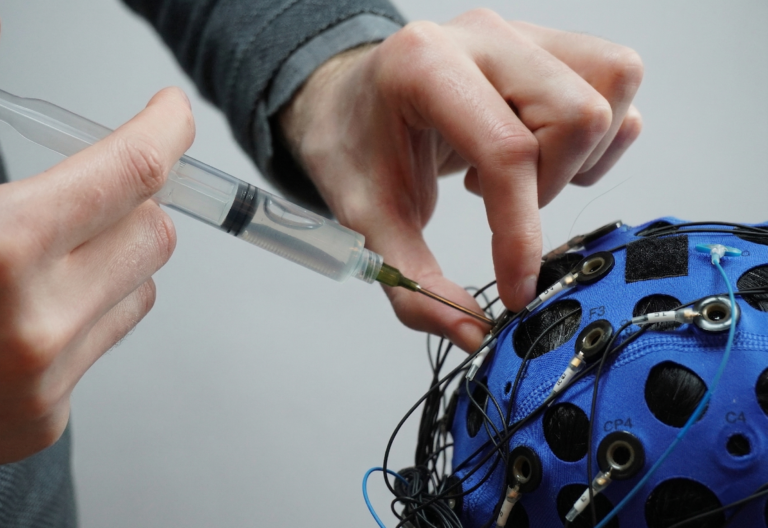
Choosing the right conductive gel is crucial for obtaining high-quality EEG signals, as not all gels are created equal. Consider factors like viscosity for even spreading and optimal drying time, the salt concentration in its composition for balanced conductivity and subject comfort, and the availability and dispenser type to suit your experimental needs and location.

Electroencephalography (EEG) measures brain activity by detecting electrical currents from neurons on the scalp. This non-invasive technique, pioneered by Hans Berger in 1924, is vital for diagnosing neurological conditions like epilepsy, stroke, and sleep disorders. EEG offers unparalleled temporal resolution, allowing real-time monitoring of brain activity, and can be safely performed by trained professionals in various settings.