Category Research

Neurogaming and Digital Therapeutics

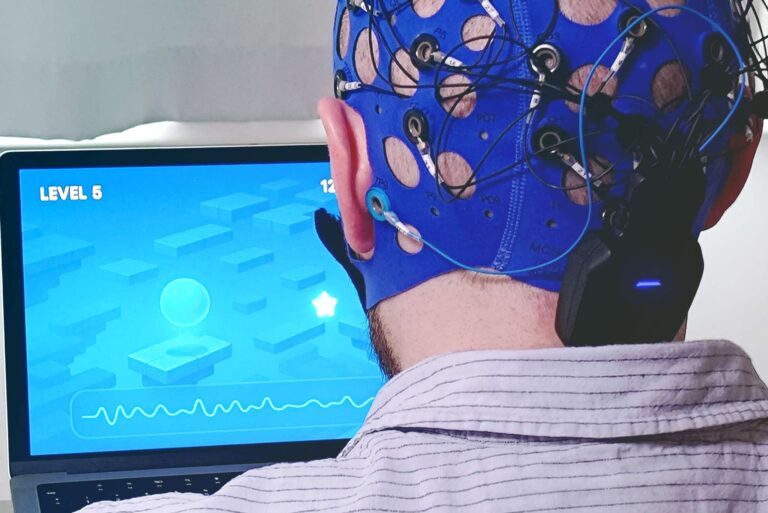
The integration of brain-computer interfaces (BCIs) into interactive media has transitioned neurogaming from a niche entertainment sector into a viable domain for cognitive therapeutics and neurorehabilitation. This field relies heavily on neuroplasticity, the brain’s ability to reorganize synaptic connections in…

VR and EEG: Real-Time Neurofeedback in Unity

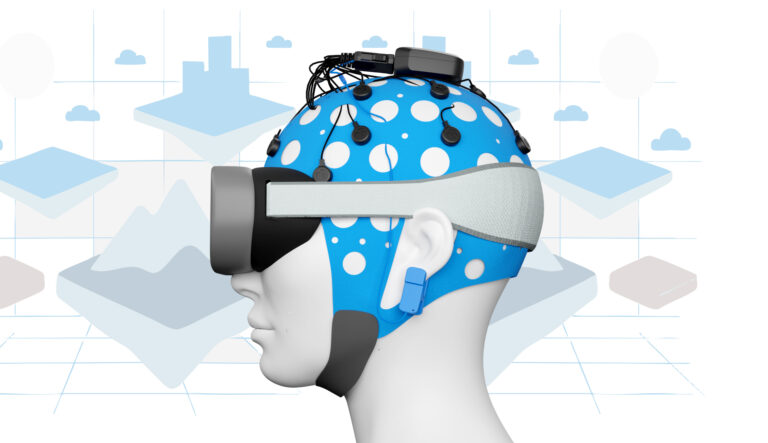
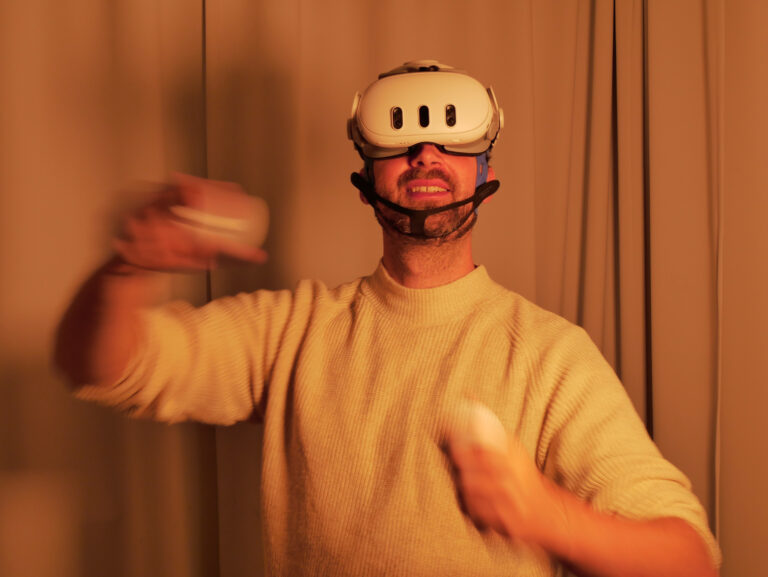
This article demonstrates how Mentalab Explore EEG devices can be integrated with VR headsets to create real-time, brain-driven virtual environments. By processing EEG data in Python, extracting Alpha band power, and streaming it to Unity via Lab Streaming Layer, mental states directly influence immersive VR feedback. The prototype shows how EEG-based biofeedback in virtual reality can move beyond flat screens and support more natural, interactive research and training applications.

AI Generated Cyber Brain

How Volume Conduction Affects Your EEG Data

Understanding volume conduction is essential for accurately interpreting EEG data, as electrical signals don't travel in a straight line from their brain source to the electrodes on your scalp. This phenomenon causes signals to spread and interact, potentially leading to misinterpretations of neural activity. Learn how to mitigate these complex effects and gain more precise insights into brain function.

A set of emotions drawn on some colourful yellow balls

Detecting Emotion [Using EEG & Fuzzy Logic]

Students at the University of Michigan's Myelin group have made significant strides in detecting human emotion from neurological signals using EEG and machine learning. By leveraging a custom-built video game and Mentalab's mobile EEG headset, they achieved an impressive 94.7% accuracy in anger detection through the innovative application of fuzzy logic for data classification.