Category EEG

Detecting Emotion [Using EEG & Fuzzy Logic]

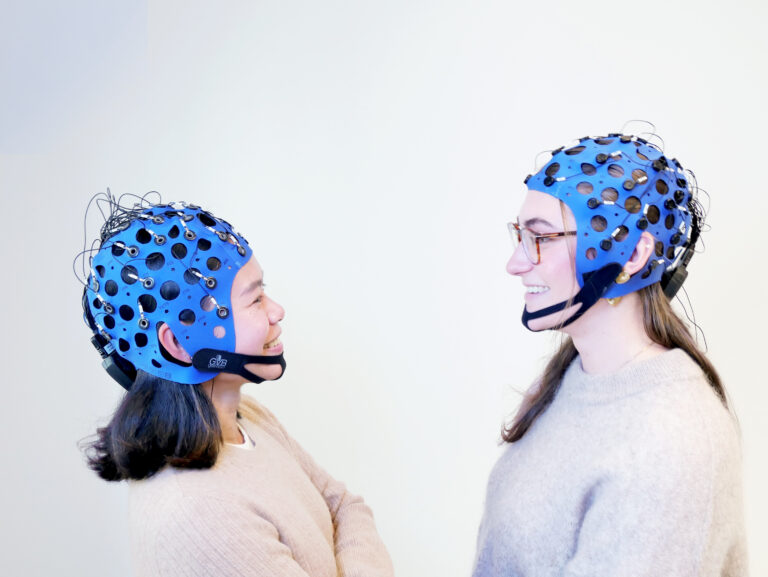
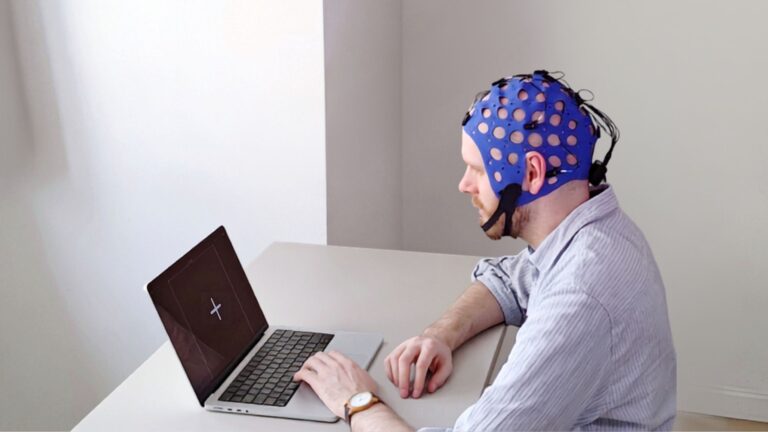
Students at the University of Michigan's Myelin group have made significant strides in detecting human emotion from neurological signals using EEG and machine learning. By leveraging a custom-built video game and Mentalab's mobile EEG headset, they achieved an impressive 94.7% accuracy in anger detection through the innovative application of fuzzy logic for data classification.

Choosing the right EEG gel

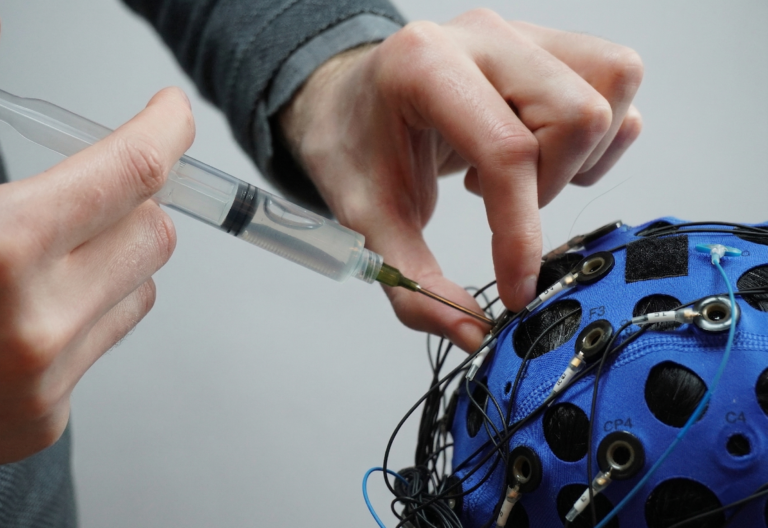
Choosing the right conductive gel is crucial for obtaining high-quality EEG signals, as not all gels are created equal. Consider factors like viscosity for even spreading and optimal drying time, the salt concentration in its composition for balanced conductivity and subject comfort, and the availability and dispenser type to suit your experimental needs and location.

Researching sleep using mobile EEG

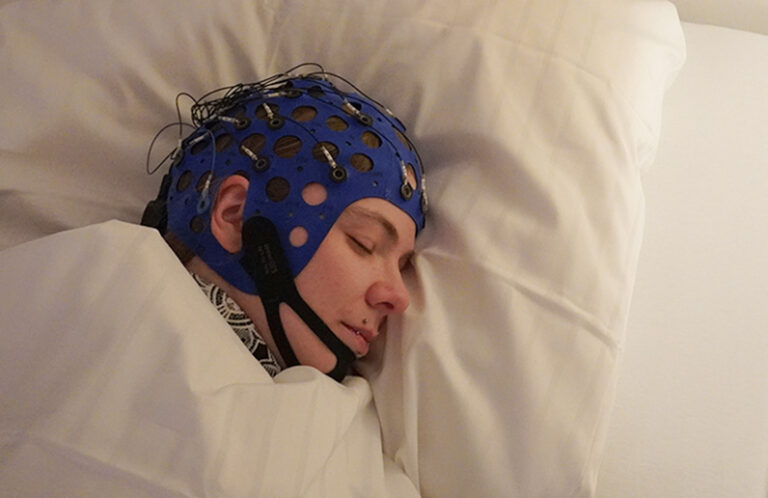
Sleep is fundamental to our well-being, yet understanding its trends can be complex. EEG offers unique insights into brain activity during sleep, helping us uncover factors contributing to restlessness and fatigue. Mobile EEG devices, like Mentalab Explore, are revolutionizing sleep research by enabling comfortable, at-home recordings that capture comprehensive sleep data, rivaling traditional in-lab polysomnography.

How to use low-density EEG [Get more with less]

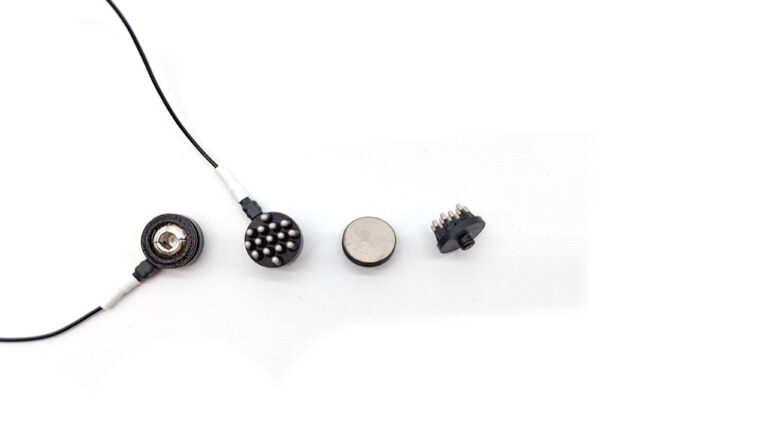
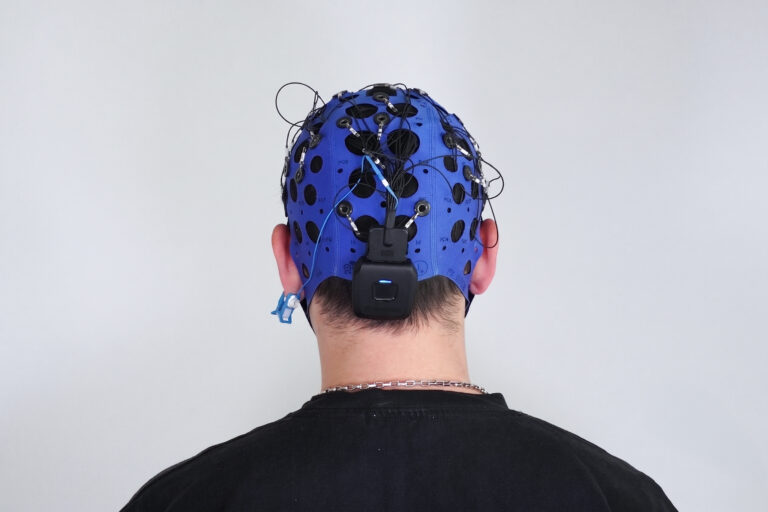
Low-density EEG systems are gaining popularity, offering significant advantages for research, even complementing existing high-density setups. While high-density systems are still the gold standard for detailed source localization, mobile low-density devices provide comparable data quality for many paradigms, enable parallel data collection from multiple subjects, and offer substantial cost savings. Their portability also allows for ecologically valid research outside the lab and helps address inequities in traditional EEG studies by reaching underrepresented populations.

Music from Mentalab

Creating Music With Mentalab Explore [EEGSynth]

Prepare to be amazed! Mentalab's collaborator, Dr. Stephen Whitmarsh, is pioneering a unique application of EEG by transforming brain waves into musical sound waves using EEGsynth, an open-source Python codebase. We're excited to share insights from Dr. Whitmarsh himself on how he integrated Mentalab Explore with EEGsynth to achieve this innovative fusion of neuroscience and music.

The Complete Electroencephalography Guide [Part 1]

Electroencephalography (EEG) measures brain activity by detecting electrical currents from neurons on the scalp. This non-invasive technique, pioneered by Hans Berger in 1924, is vital for diagnosing neurological conditions like epilepsy, stroke, and sleep disorders. EEG offers unparalleled temporal resolution, allowing real-time monitoring of brain activity, and can be safely performed by trained professionals in various settings.

P300 Event Related Potentials

Event Related Potentials (ERPs) are brain responses triggered by stimuli, a fundamental tool in neuroscience and psychology. To visualize these subtle electrophysiological signals using EEG, noise must be minimized, often by averaging data from multiple trials. The P300, a well-studied ERP, is a positive waveform emerging around 300 milliseconds after an unexpected event, commonly elicited using the oddball paradigm where rare "deviant" stimuli are interspersed among frequent "default" ones.