Tag Methodology

A matrix style portal

Best EEG Analysis & Acquisition Software [2023]

Navigating the vast landscape of EEG analysis and acquisition software can be challenging, but we've got you covered with a comprehensive look at the top tools available. Whether you're a seasoned researcher, a clinician, or a curious brain enthusiast, this guide will help you choose the best software for your needs, considering price, features, and integration capabilities.
Artistic gel

Choosing the right EEG gel

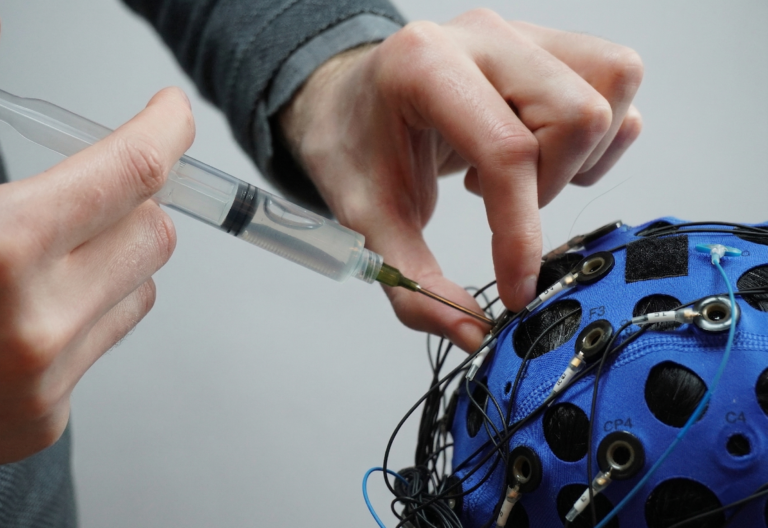
Choosing the right conductive gel is crucial for obtaining high-quality EEG signals, as not all gels are created equal. Consider factors like viscosity for even spreading and optimal drying time, the salt concentration in its composition for balanced conductivity and subject comfort, and the availability and dispenser type to suit your experimental needs and location.

Binary brain

How to use low-density EEG [Get more with less]

Low-density EEG systems are gaining popularity, offering significant advantages for research, even complementing existing high-density setups. While high-density systems are still the gold standard for detailed source localization, mobile low-density devices provide comparable data quality for many paradigms, enable parallel data collection from multiple subjects, and offer substantial cost savings. Their portability also allows for ecologically valid research outside the lab and helps address inequities in traditional EEG studies by reaching underrepresented populations.

Complete EEG Guide Part 1

The Complete Electroencephalography Guide [Part 1]

Electroencephalography (EEG) measures brain activity by detecting electrical currents from neurons on the scalp. This non-invasive technique, pioneered by Hans Berger in 1924, is vital for diagnosing neurological conditions like epilepsy, stroke, and sleep disorders. EEG offers unparalleled temporal resolution, allowing real-time monitoring of brain activity, and can be safely performed by trained professionals in various settings.