Category Neuroscience

EEG SSVEP Classifier [The Basics]

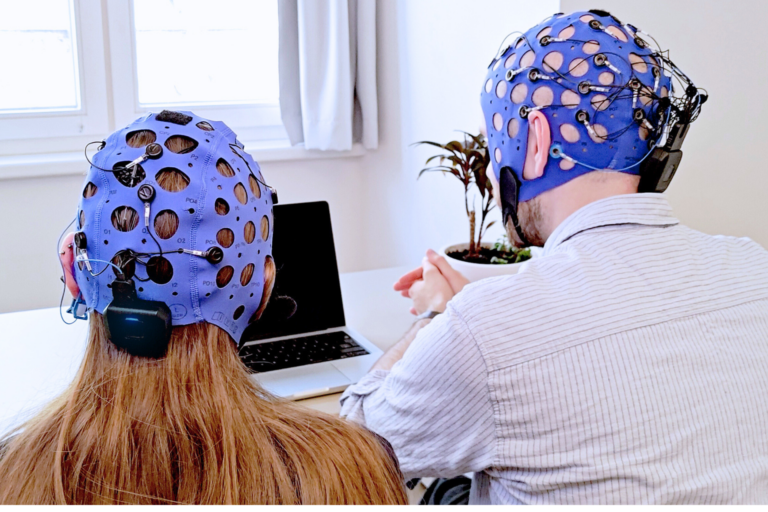
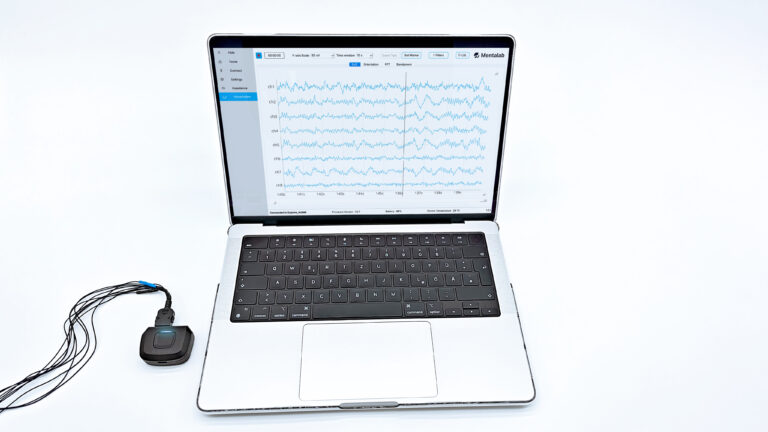
Steady-State Visually Evoked Potentials (SSVEPs) are brain signals that synchronize with flickering visual stimuli, making them a popular and reliable tool for Brain-Computer Interfaces (BCIs). By detecting which flickering frequency matches a user's neural activity, SSVEP-based BCIs can enable control over external systems with high accuracy and minimal training. This post delves into SSVEPs, illustrating their application with examples of online and offline classifiers developed using the Mentalab Explore system, freely available for researchers to build upon.
Should I Use Wet Or Dry EEG Electrodes? [5 Things To Consider]

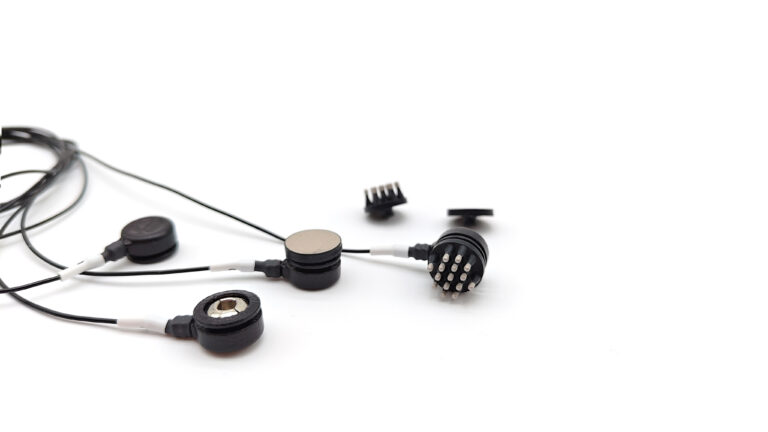
Choosing between wet and dry EEG electrodes depends on your research needs, with dry electrodes gaining popularity due to the rise of mobile EEG. While wet electrodes offer slightly superior signal quality and stability for stationary or shorter recordings, dry electrodes provide unparalleled convenience and faster setup times, especially for high-density systems or mobile applications where gel is impractical. The decision involves balancing data quality with ease of use, with ongoing advancements in both electrode technology and signal processing techniques continually narrowing the gap.