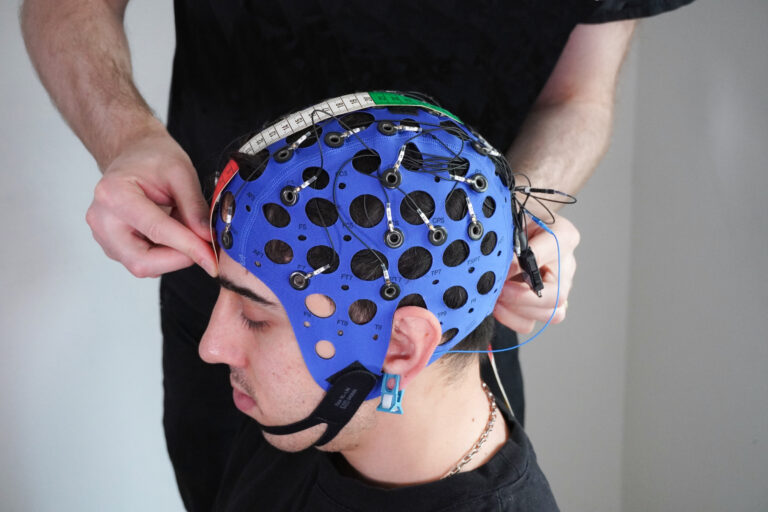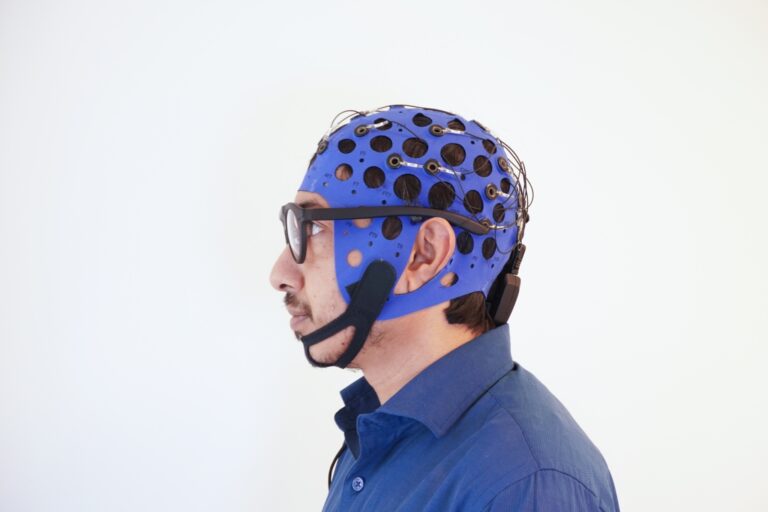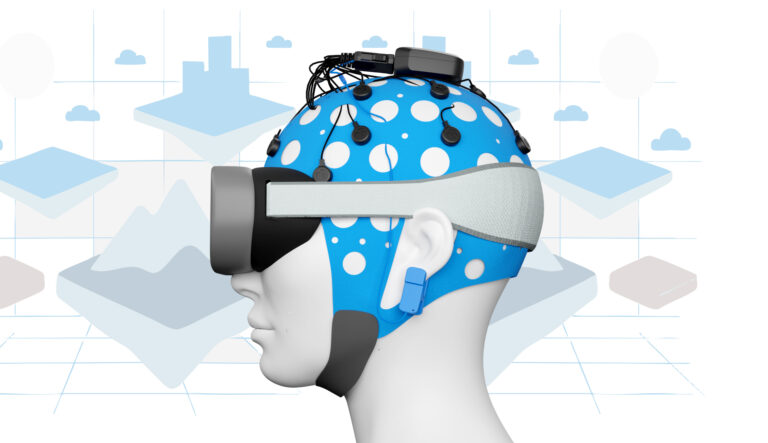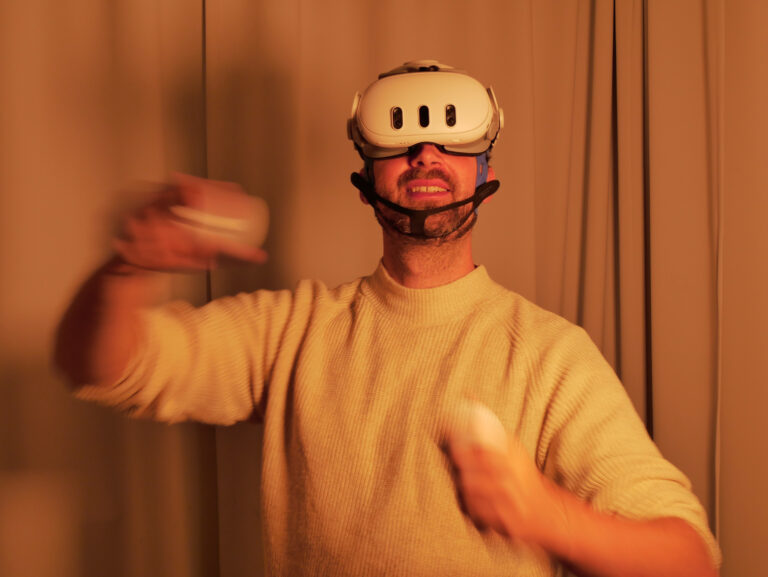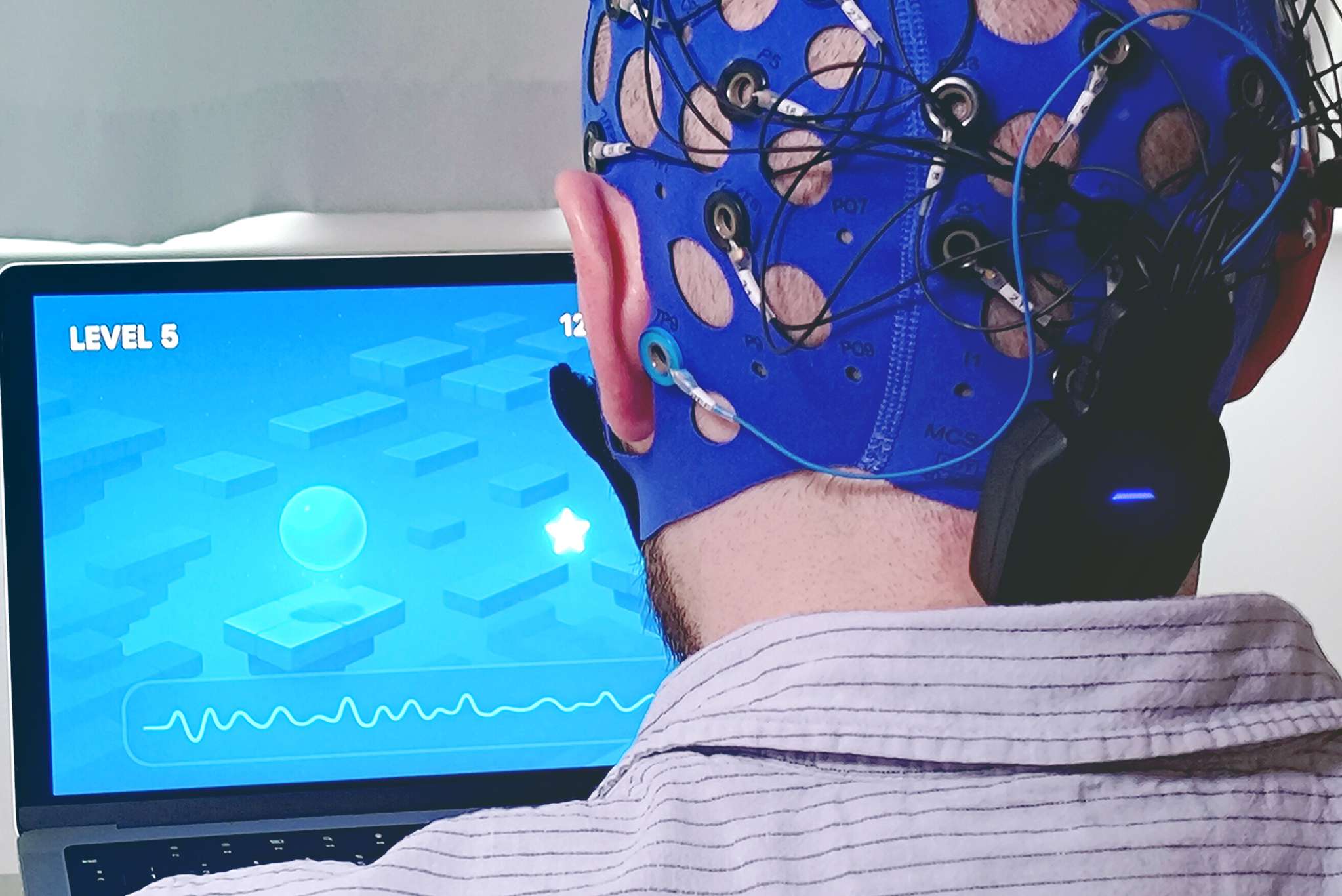

The integration of brain-computer interfaces (BCIs) into interactive media has transitioned neurogaming from a niche entertainment sector into a viable domain for cognitive therapeutics and neurorehabilitation. This field relies heavily on neuroplasticity, the brain’s ability to reorganize synaptic connections in response to learning and environmental stimuli. Recent literature suggests that while video games inherently shape cognitive landscapes—improving attention, working memory, and spatial skills—the incorporation of explicit neurofeedback loops allows for targeted interventions in neurological conditions [1, 2].
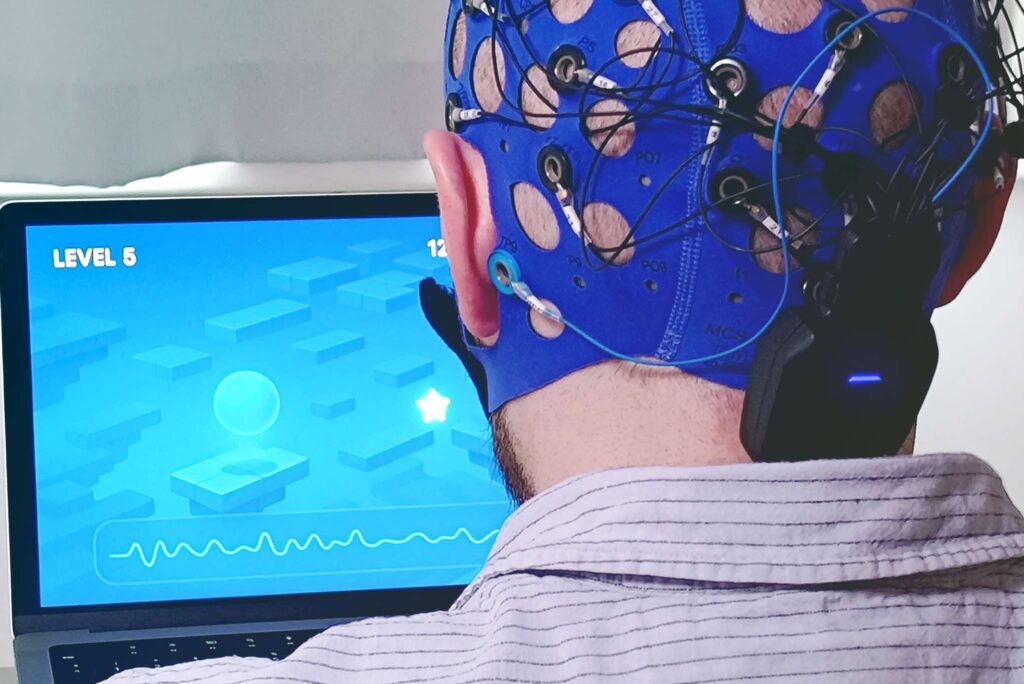
A dominant modality in current non-invasive neurogaming is Electroencephalography (EEG), specifically utilizing Visual Evoked Potentials (VEPs). A 2025 systematic review highlights Steady-State Visual Evoked Potentials (SSVEP) as a preferred paradigm for high-speed gaming control due to its high information transfer rates and robustness [3]. Despite its efficacy, SSVEP-based systems face significant ergonomic challenges, primarily visual fatigue caused by the flickering stimuli required to evoke neural responses. Researchers are consequently exploring alternative paradigms, such as motion-onset VEPs (m-VEP) and code-modulated VEPs (c-VEP), to balance signal fidelity with user comfort during extended sessions [3].
The clinical application of these technologies has achieved significant regulatory validation, most notably with the U.S. Food and Drug Administration’s authorization of EndeavorRx for the treatment of ADHD. This milestone underscores the shift toward “digital therapeutics,” where game mechanics are engineered to treat specific neural dysregulations. Beyond ADHD, preprint research indicates that neurogaming combined with Virtual Reality (VR) is proving effective for exposure therapy in Post-Traumatic Stress Disorder (PTSD) and anxiety. Furthermore, BCI-driven games are being utilized in motor rehabilitation for stroke and cerebral palsy patients, translating intent directly into digital action to reinforce neural pathways damaged by injury [1].

Future industry growth depends on overcoming the technical limitations of non-invasive sensors. While invasive devices like Neuralink promise high-bandwidth data, the consumer and therapeutic markets currently rely on EEG and Near-Infrared Spectroscopy (NIRS). These technologies must address signal-to-noise ratio issues and the need for lengthy calibration processes that currently hinder widespread adoption. As signal processing algorithms improve to handle individual neural variability, neurogaming is positioned to become a standard modality for both cognitive enhancement and the management of chronic neurological disorders [2].

The Mentalab Explore Pro system offers a comprehensive solution for researchers and developers seeking a versatile and robust platform for EEG/ExG biosignal acquisition in neurogaming applications. Its compact design, wireless & wired streaming capabilities, open software API, and compatibility with various electrode types, including dry electrodes, render it highly adaptable for dynamic development environments, providing the precision and flexibility necessary to advance the field of neurogaming
Selected References
- Sa, D. P., Bose, U., Gopalakrishnan, S., & Babu, M. G. R. (2024). Emerging Frontiers in Neuroscience: Exploring the Potential of Neurogaming and Brain-Computer Interfaces in Therapeutics. SSRN Electronic Journal.
- George, A. S., George, A. S. H., & Baskar, T. (2023). Neuro-Gaming: How Video Games Shape the Brain’s Cognitive Landscape. Partners Universal International Research Journal, 2(4), 128-137.
- Keutayeva, A., Nwachukwu, C. J., Alaran, M., Otarbay, Z., & Abibullaev, B. (2025). Neurotechnology in Gaming: A Systematic Review of Visual Evoked Potential-Based Brain-Computer Interfaces. IEEE Access, 13, 74944-74966.